Hardy-Weinberg Equilibrium: Population Genetics Simulation Lab
Overview
Teaches population genetics and evolution. Demonstrates genetic equilibrium conditions.
Why Do This Experiment?
This experiment teaches key concepts in Biology.
Materials Needed
- •200 colored beads (100 each color)(1)
- •bag(1)
- •calculator(1)
Step-by-Step Instructions
- 1
1. Set initial allele frequencies p=0.5, q=0.5
- 2
2. Randomly draw 2 beads (represents mating), record genotype
- 3
3. Return beads and repeat 100 times
- 4
4. Calculate genotype frequencies, verify p2+2pq+q2=1 and no evolution
The Science Behind It
Teaches population genetics and evolution. Demonstrates genetic equilibrium conditions.
Learning Outcomes
- ✓Understand basic biology concepts
- ✓Develop observation skills
- ✓Learn through hands-on experimentation
Related Experiments
You might also enjoy these experiments

Ant Farm Observation: Insect Social Behavior Science for Young Kids
Teaches insect social behavior and ecosystems. Living science observation project.
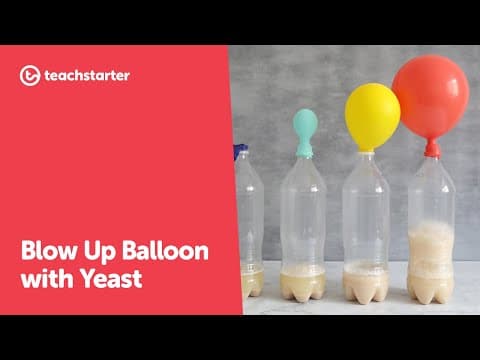
Yeast Fermentation Balloon: Microorganism Respiration Science
Teaches microbiology and fermentation. Shows living organisms consuming food and producing gas.
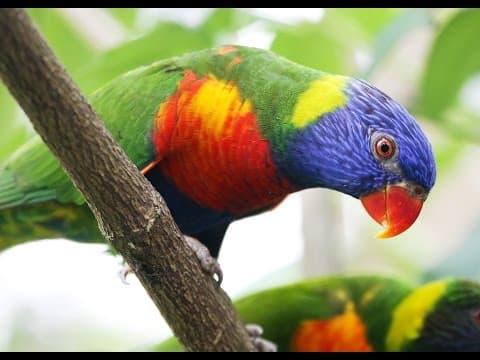
Bird Beak Adaptation: Natural Selection Science Game for Students
Demonstrates adaptation and natural selection. Shows how body structures match functions.
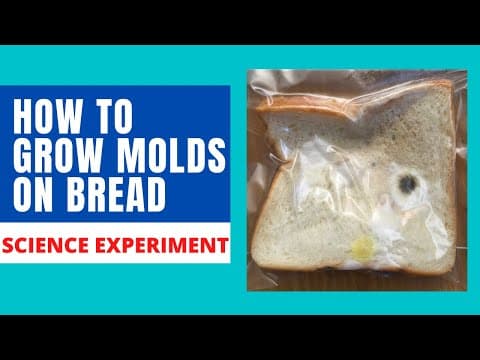
Mold Growth Experiment: Fungi and Environmental Factors Study
Teaches fungi biology and environmental factors. Shows optimal conditions for microorganism growth.
Fingerprint Analysis: Genetics and Heredity Science for Students
Teaches genetic traits and individual uniqueness. Forensic science introduction.
Plant vs Animal Cell Study: Microscope Biology Lab for Middle School
Teaches cell structure and organization. Introduces microscope skills and cell differentiation.