Standing Wave Patterns: Wave Interference and Resonance Lab
Overview
Teaches wave interference and resonance. Demonstrates harmonic frequencies and wavelength calculation.
Why Do This Experiment?
This experiment teaches key concepts in Physics.
Materials Needed
- •Mechanical oscillator(1)
- •string(1)
- •frequency generator(1)
- •pulley(1)
- •weights(1)
Step-by-Step Instructions
- 1
1. Fix string at both ends
- 2
2. Connect oscillator
- 3
3. Adjust frequency to find resonance
- 4
4. Observe standing wave nodes and antinodes, measure wavelength
The Science Behind It
Teaches wave interference and resonance. Demonstrates harmonic frequencies and wavelength calculation.
Learning Outcomes
- ✓Understand basic physics concepts
- ✓Develop observation skills
- ✓Learn through hands-on experimentation
Related Experiments
You might also enjoy these experiments

Floating and Sinking: Density and Buoyancy Experiment for Toddlers
Introduces density and buoyancy basics. Develops prediction and observation skills.

Balance Experiment: Center of Gravity Science for Elementary Kids
Introduces center of gravity and equilibrium. Shows weight distribution and balance.
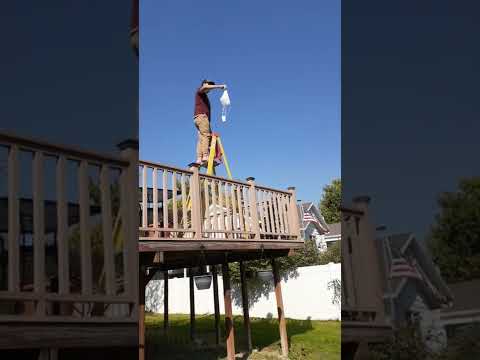
Egg Drop Challenge: Physics Engineering Design Project for Kids
Teaches impulse, energy absorption, and engineering design. STEM problem-solving activity.
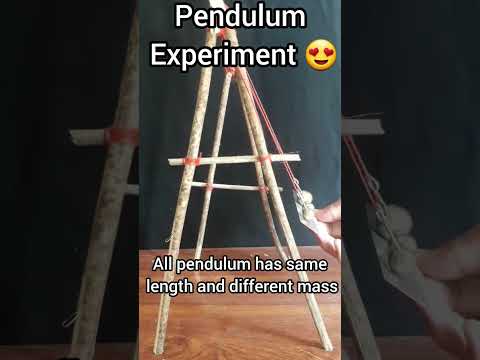
Pendulum Period Investigation: Simple Harmonic Motion Physics Lab
Teaches simple harmonic motion and gravitational acceleration. Introduces data analysis and graphing.
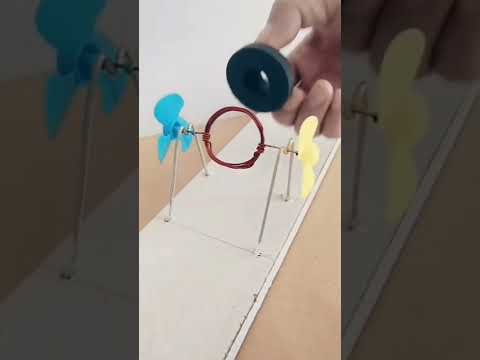
Electromagnetic Induction Lab: Faraday's Law Experiment
Demonstrates Faraday's Law and Lenz's Law. Foundation of electric generators and transformers.

Magnet Exploration: Magnetic Force Science for Toddlers
Introduces magnetism and classification skills. Hands-on learning about magnetic materials.