Color Mixing Magic: Primary Colors Science for Toddlers
Overview
Teaches color theory basics and observation skills. Introduces the concept of primary and secondary colors.
Why Do This Experiment?
This experiment teaches key concepts in Chemistry.
Materials Needed
- •Red(1)
- •yellow(1)
- •and blue paint or food coloring(1)
- •cups of water(1)
- •white paper(1)
Step-by-Step Instructions
- 1
1. Prepare three primary colors
- 2
2. Mix two colors at a time
- 3
3. Observe new colors being created
- 4
4. Paint a color wheel
The Science Behind It
Teaches color theory basics and observation skills. Introduces the concept of primary and secondary colors.
Learning Outcomes
- ✓Understand basic chemistry concepts
- ✓Develop observation skills
- ✓Learn through hands-on experimentation
Related Experiments
You might also enjoy these experiments
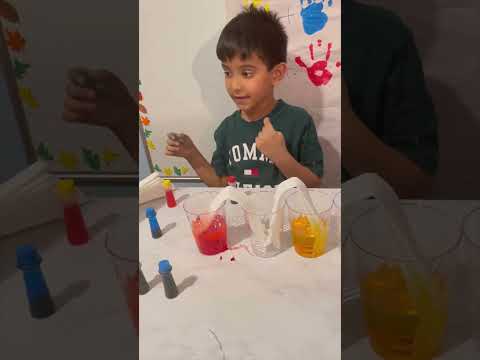
Walking Water Experiment: Amazing Capillary Action for Kids
Demonstrates capillary action and absorption. Shows how plants transport water and introduces color mixing.
Fizzy Colors Science: Baking Soda and Vinegar Reaction for Preschool
Introduces acid-base reactions and gas production (CO2). Visual and tactile learning about chemical reactions.
Homemade Slime Recipe: Easy Polymer Science Experiment for Kids
Introduces polymer chemistry and cross-linking. Shows how liquid becomes solid through molecular bonding.
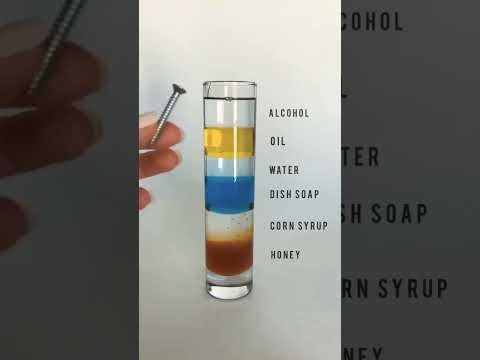
Density Tower Experiment: Rainbow Liquid Layers Science for Kids
Teaches density and why liquids separate. Demonstrates that different substances have different densities and don't mix.
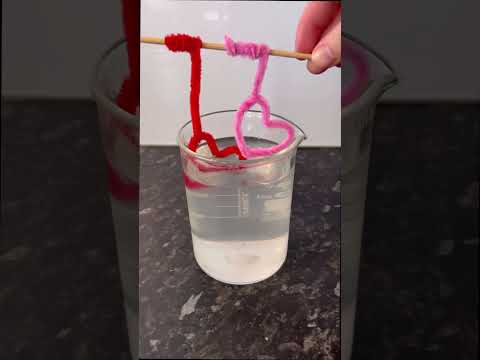
Crystal Growing Experiment: Make Rock Candy Sugar Crystals at Home
Teaches crystallization and supersaturation. Shows how molecules arrange in regular patterns over time.
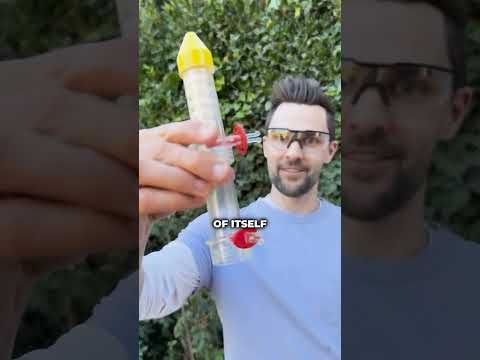
Mentos and Diet Coke Experiment: Epic Geyser Eruption Science
Demonstrates nucleation and rapid gas release. Steve Spangler's viral experiment showing pressure and CO2.