Day and Night Cycle: Earth Rotation Science for Young Children
Overview
Teaches Earth's rotation and day-night cycle. Visual demonstration of our planet's motion.
Why Do This Experiment?
This experiment teaches key concepts in Earth Science.
Materials Needed
- •Small globe or ball(1)
- •flashlight(1)
- •dark room(1)
Step-by-Step Instructions
- 1
1. Use flashlight as sun in dark room
- 2
2. Shine on globe
- 3
3. Slowly rotate globe
- 4
4. Watch how lit side (day) and dark side (night) change
The Science Behind It
Teaches Earth's rotation and day-night cycle. Visual demonstration of our planet's motion.
Learning Outcomes
- ✓Understand basic earth science concepts
- ✓Develop observation skills
- ✓Learn through hands-on experimentation
Related Experiments
You might also enjoy these experiments
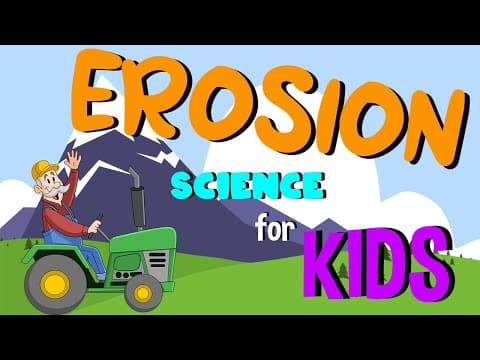
Sand and Water Erosion: Landform Science for Toddlers
Introduces erosion and landscape changes. Shows water's power to shape land.
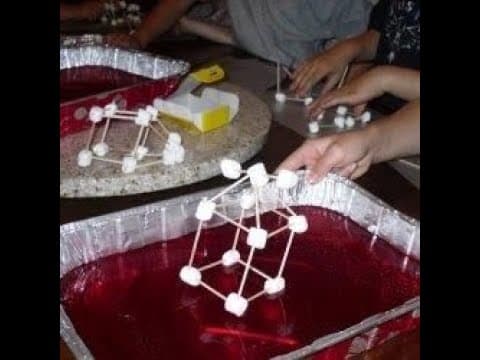
Earthquake Shake Table: Seismic Activity and Building Science
Teaches earthquake destructive power. Introduces engineering and structural stability concepts.
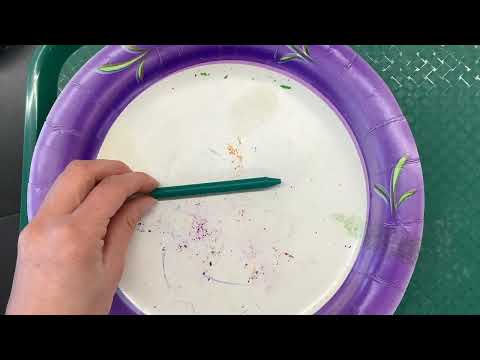
Rock Cycle: Sedimentary, Metamorphic, and Igneous Rock Formation
Demonstrates three rock types and transformation cycle. Shows how rocks continuously change.
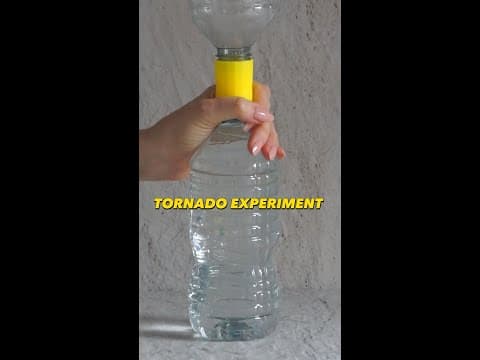
Tornado in a Bottle: Vortex Formation and Storm Science
Demonstrates vortex formation and angular momentum. Shows how tornadoes and whirlpools work.
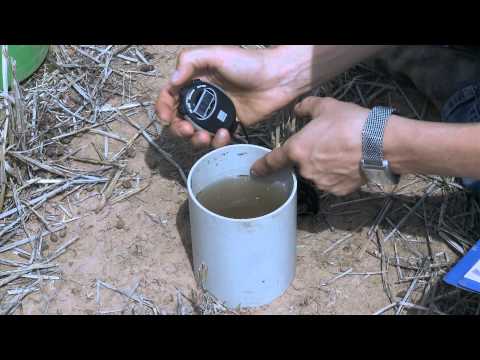
Soil Permeability Test: Infiltration and Groundwater Recharge
Teaches soil texture effects on water movement. Relevant to groundwater and drainage.
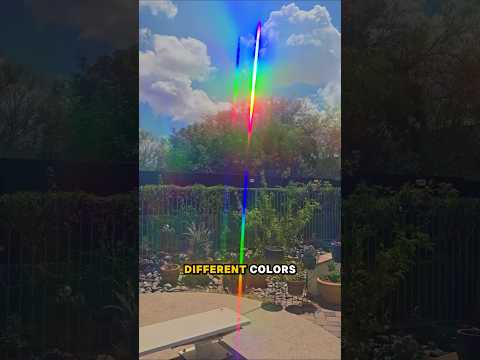
Spectroscopy: Emission Spectra and Stellar Composition Analysis
Teaches spectroscopy fundamentals used in astronomy. Shows how we determine distant star composition.