Radiometric Dating: Half-Life Simulation for Geological Dating
Overview
Demonstrates radioactive decay and isotope dating. Foundation of geological timescale determination.
Why Do This Experiment?
This experiment teaches key concepts in Earth Science.
Materials Needed
- •100 M&M candies or 100 dice(1)
- •paper cup(1)
- •graph paper(1)
- •calculator(1)
Step-by-Step Instructions
- 1
1. Shake cup, remove M&Ms showing specific side (represents decay)
- 2
2. Count remaining, record
- 3
3. Repeat until all decayed
- 4
4. Plot decay curve, calculate half-life, apply to rock age determination
The Science Behind It
Demonstrates radioactive decay and isotope dating. Foundation of geological timescale determination.
Learning Outcomes
- ✓Understand basic earth science concepts
- ✓Develop observation skills
- ✓Learn through hands-on experimentation
Related Experiments
You might also enjoy these experiments
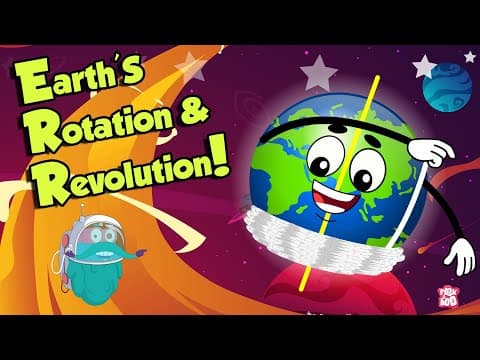
Day and Night Cycle: Earth Rotation Science for Young Children
Teaches Earth's rotation and day-night cycle. Visual demonstration of our planet's motion.
Sand and Water Erosion: Landform Science for Toddlers
Introduces erosion and landscape changes. Shows water's power to shape land.
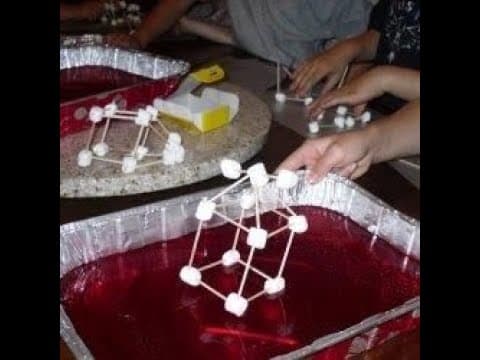
Earthquake Shake Table: Seismic Activity and Building Science
Teaches earthquake destructive power. Introduces engineering and structural stability concepts.
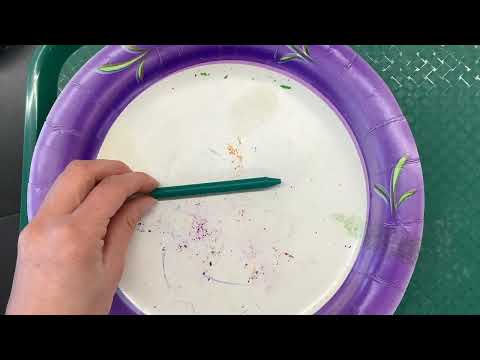
Rock Cycle: Sedimentary, Metamorphic, and Igneous Rock Formation
Demonstrates three rock types and transformation cycle. Shows how rocks continuously change.
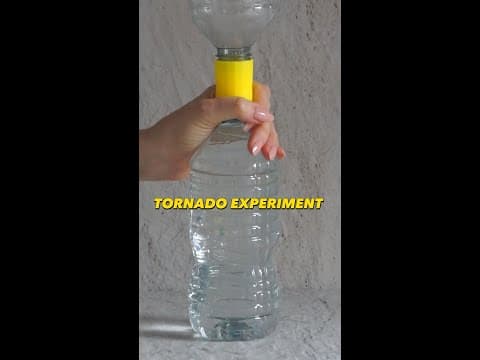
Tornado in a Bottle: Vortex Formation and Storm Science
Demonstrates vortex formation and angular momentum. Shows how tornadoes and whirlpools work.
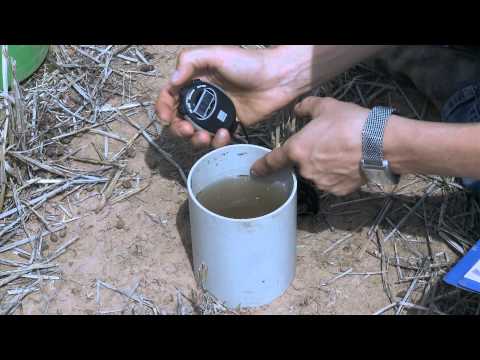
Soil Permeability Test: Infiltration and Groundwater Recharge
Teaches soil texture effects on water movement. Relevant to groundwater and drainage.