Rainbow Milk Science Experiment: Magic Color Explosion for Preschoolers
Overview
Introduces surface tension and molecular movement. Children observe a visible chemical reaction showing how soap breaks down fat molecules in milk.
Why Do This Experiment?
This experiment teaches key concepts in Chemistry.
Materials Needed
- •Whole milk(1)
- •food coloring (4 colors)(1)
- •dish soap(1)
- •cotton swabs(1)
- •shallow dish(1)
Step-by-Step Instructions
- 1
1. Pour milk into a shallow dish to cover the bottom
- 2
2. Add drops of different food coloring colors in the center
- 3
3. Dip cotton swab in dish soap
- 4
4. Touch the soapy swab to the milk surface and watch colors explode
The Science Behind It
Introduces surface tension and molecular movement. Children observe a visible chemical reaction showing how soap breaks down fat molecules in milk.
Learning Outcomes
- ✓Understand basic chemistry concepts
- ✓Develop observation skills
- ✓Learn through hands-on experimentation
Related Experiments
You might also enjoy these experiments
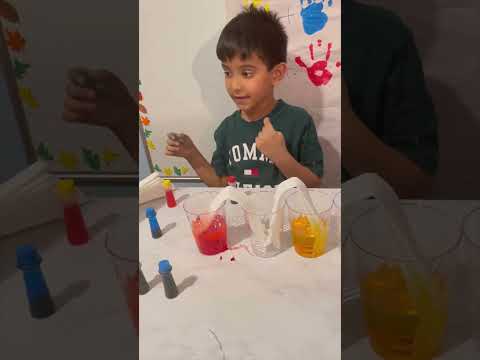
Walking Water Experiment: Amazing Capillary Action for Kids
Demonstrates capillary action and absorption. Shows how plants transport water and introduces color mixing.
Fizzy Colors Science: Baking Soda and Vinegar Reaction for Preschool
Introduces acid-base reactions and gas production (CO2). Visual and tactile learning about chemical reactions.
Homemade Slime Recipe: Easy Polymer Science Experiment for Kids
Introduces polymer chemistry and cross-linking. Shows how liquid becomes solid through molecular bonding.
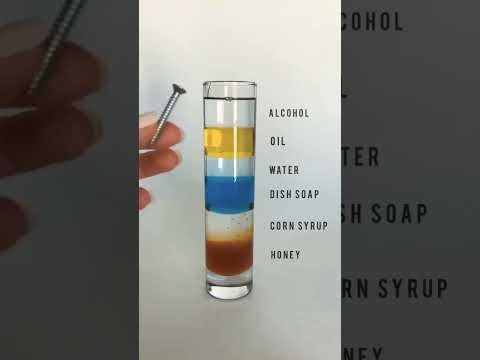
Density Tower Experiment: Rainbow Liquid Layers Science for Kids
Teaches density and why liquids separate. Demonstrates that different substances have different densities and don't mix.
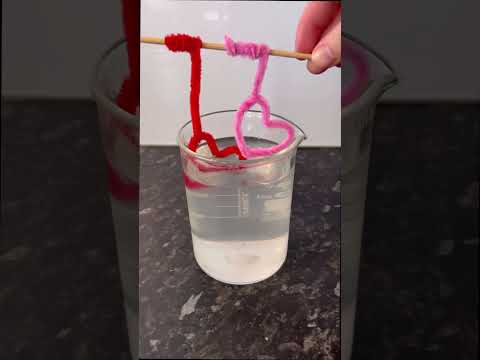
Crystal Growing Experiment: Make Rock Candy Sugar Crystals at Home
Teaches crystallization and supersaturation. Shows how molecules arrange in regular patterns over time.
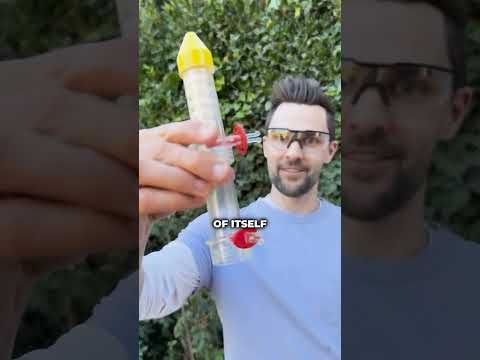
Mentos and Diet Coke Experiment: Epic Geyser Eruption Science
Demonstrates nucleation and rapid gas release. Steve Spangler's viral experiment showing pressure and CO2.