Spectroscopy: Emission Spectra and Stellar Composition Analysis
Overview
Teaches spectroscopy fundamentals used in astronomy. Shows how we determine distant star composition.
Why Do This Experiment?
This experiment teaches key concepts in Earth Science.
Materials Needed
- •Diffraction grating (500-1000 lines/mm)(1)
- •various light sources (incandescent(1)
- •fluorescent(1)
- •LED(1)
- •sodium lamp)(1)
- •dark box(1)
- •protractor(1)
Step-by-Step Instructions
- 1
1. Observe different light sources through grating in darkened room
- 2
2. Record each source's spectral characteristics
- 3
3. Identify emission lines (e.g., sodium's yellow doublet)
- 4
4. Discuss astronomical applications (star composition, redshift)
The Science Behind It
Teaches spectroscopy fundamentals used in astronomy. Shows how we determine distant star composition.
Learning Outcomes
- ✓Understand basic earth science concepts
- ✓Develop observation skills
- ✓Learn through hands-on experimentation
Related Experiments
You might also enjoy these experiments
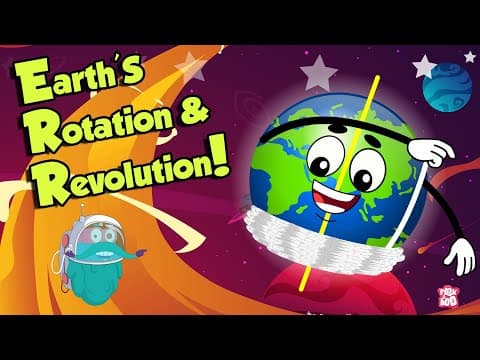
Day and Night Cycle: Earth Rotation Science for Young Children
Teaches Earth's rotation and day-night cycle. Visual demonstration of our planet's motion.
Sand and Water Erosion: Landform Science for Toddlers
Introduces erosion and landscape changes. Shows water's power to shape land.
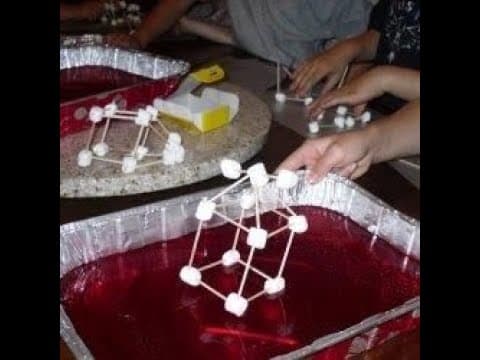
Earthquake Shake Table: Seismic Activity and Building Science
Teaches earthquake destructive power. Introduces engineering and structural stability concepts.
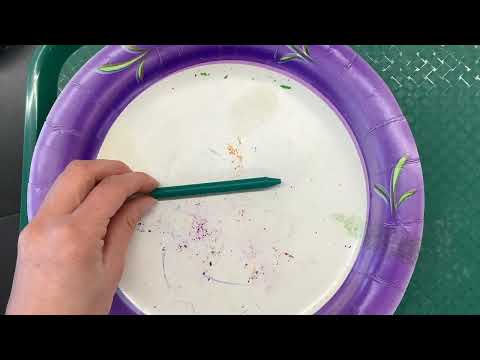
Rock Cycle: Sedimentary, Metamorphic, and Igneous Rock Formation
Demonstrates three rock types and transformation cycle. Shows how rocks continuously change.
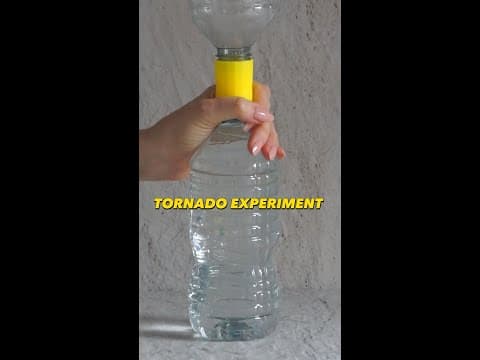
Tornado in a Bottle: Vortex Formation and Storm Science
Demonstrates vortex formation and angular momentum. Shows how tornadoes and whirlpools work.
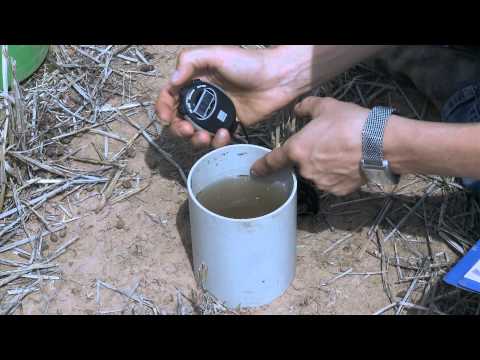
Soil Permeability Test: Infiltration and Groundwater Recharge
Teaches soil texture effects on water movement. Relevant to groundwater and drainage.