Earth Science Experiments for Kids
Understand our planet and natural phenomena
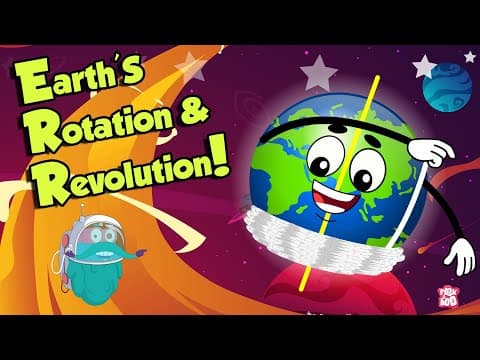
Day and Night Cycle: Earth Rotation Science for Young Children
Teaches Earth's rotation and day-night cycle. Visual demonstration of our planet's motion.
Sand and Water Erosion: Landform Science for Toddlers
Introduces erosion and landscape changes. Shows water's power to shape land.
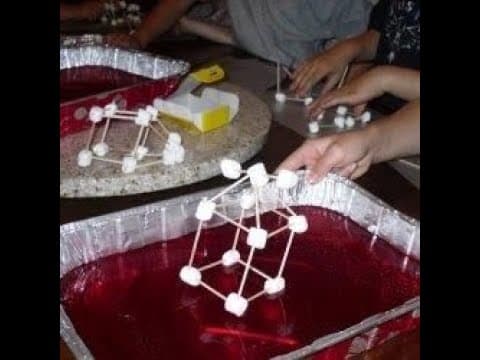
Earthquake Shake Table: Seismic Activity and Building Science
Teaches earthquake destructive power. Introduces engineering and structural stability concepts.
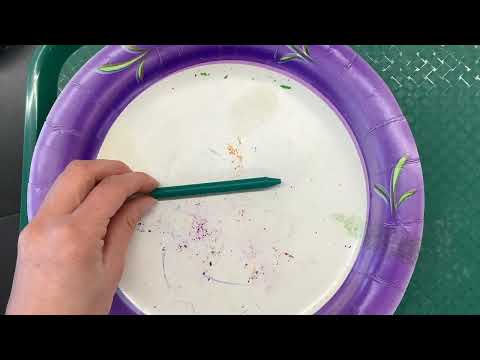
Rock Cycle: Sedimentary, Metamorphic, and Igneous Rock Formation
Demonstrates three rock types and transformation cycle. Shows how rocks continuously change.
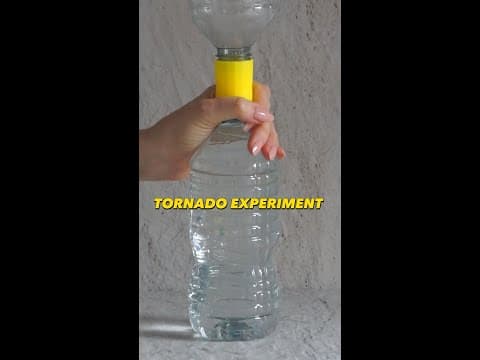
Tornado in a Bottle: Vortex Formation and Storm Science
Demonstrates vortex formation and angular momentum. Shows how tornadoes and whirlpools work.
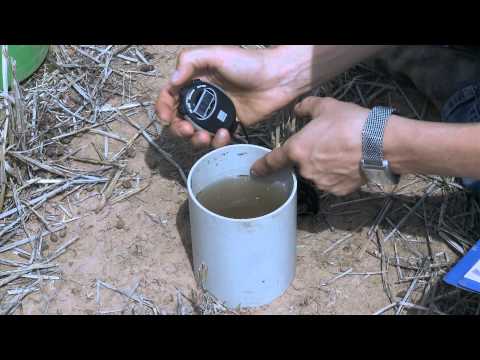
Soil Permeability Test: Infiltration and Groundwater Recharge
Teaches soil texture effects on water movement. Relevant to groundwater and drainage.
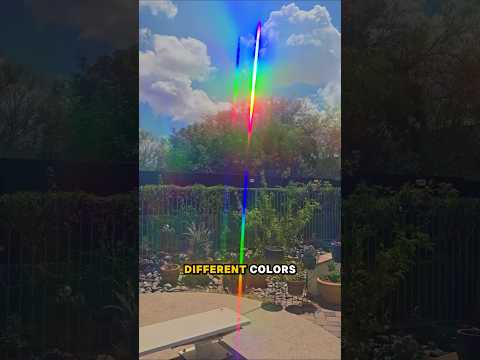
Spectroscopy: Emission Spectra and Stellar Composition Analysis
Teaches spectroscopy fundamentals used in astronomy. Shows how we determine distant star composition.
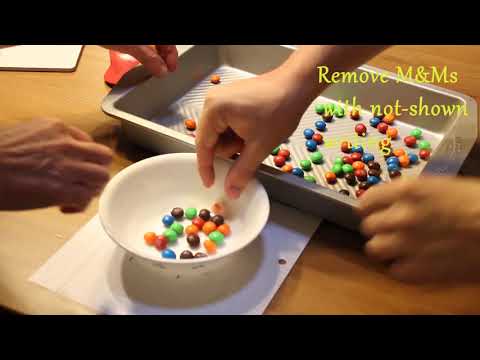
Radiometric Dating: Half-Life Simulation for Geological Dating
Demonstrates radioactive decay and isotope dating. Foundation of geological timescale determination.
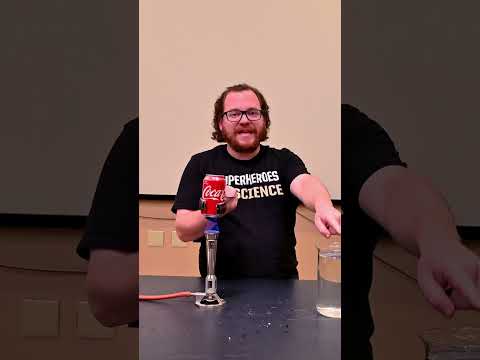
Atmospheric Pressure: Can Crushing Demonstration of Air Pressure Power
Dramatic demonstration of atmospheric pressure magnitude. Shows 14.7 psi constantly pressing on everything.
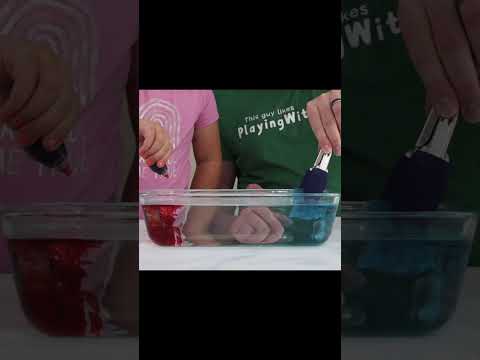
Weather Observation Chart: Daily Meteorology for Preschoolers
Develops observation skills and weather awareness. Introduces data collection and pattern recognition.
Rock Collection: Geology and Classification Science for Young Kids
Introduces geological materials and classification skills. Develops observational abilities.
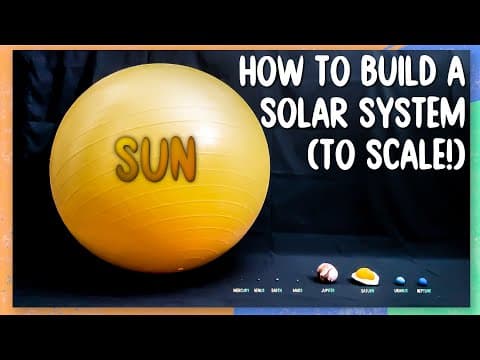
Solar System Scale Model: Planets and Space Science for Elementary
Demonstrates astronomical scale and planetary arrangement. Makes space distances comprehensible.
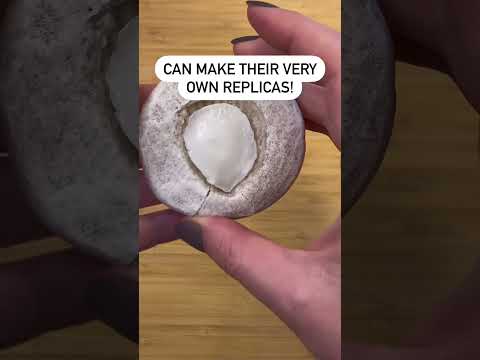
Fossil Making: Paleontology and Fossilization Process for Kids
Teaches fossilization process. Introduces paleontology and how we know about ancient life.
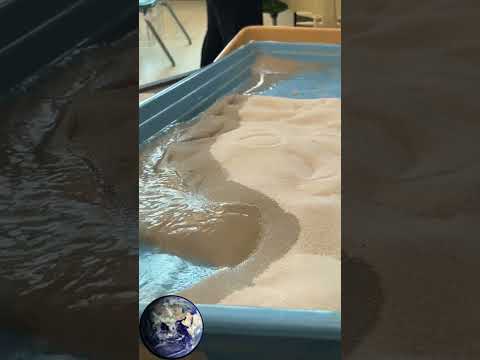
Stream Table Erosion: River Geomorphology and Sediment Transport
Teaches fluvial processes and landform development. Shows how rivers shape landscapes.
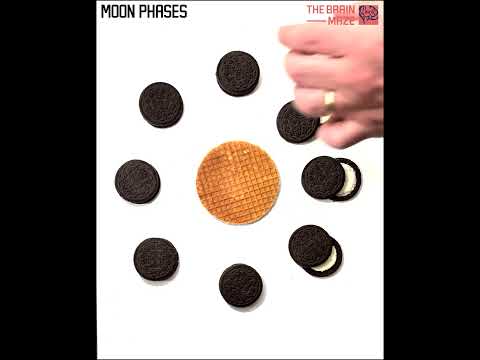
Moon Phases with Oreos: Lunar Cycle Demonstration for Students
Makes lunar phases tangible and memorable. Shows relationship between moon position and appearance.
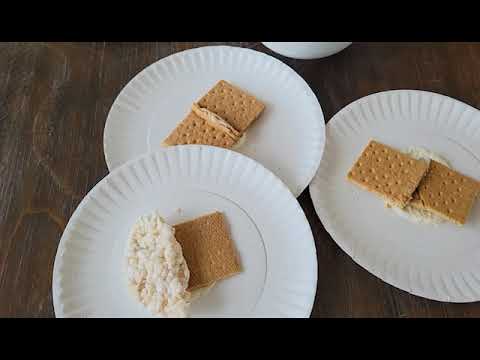
Plate Tectonics: Continental Drift and Boundary Types Model
Demonstrates plate boundary types and geological activity. Shows why earthquakes occur at boundaries.
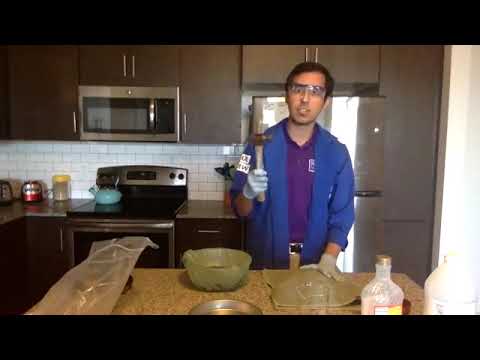
Comet Model: Composition and Behavior of Comets Near Sun
Shows comet composition (ice, dust, organics). Demonstrates why comets develop tails near sun.
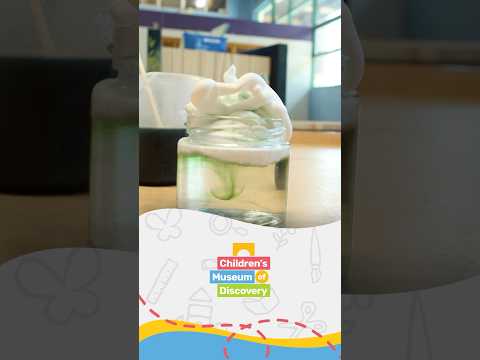
Cloud in a Jar: Weather and Condensation Science for Preschool
Demonstrates condensation and cloud formation. Shows warm air rising and cooling.
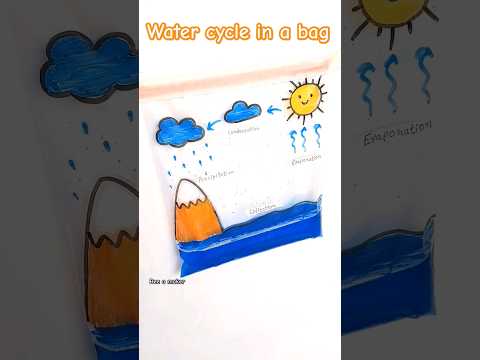
Water Cycle in a Bag: Evaporation and Precipitation Science
Demonstrates complete water cycle in miniature. Shows three states of water transformation.
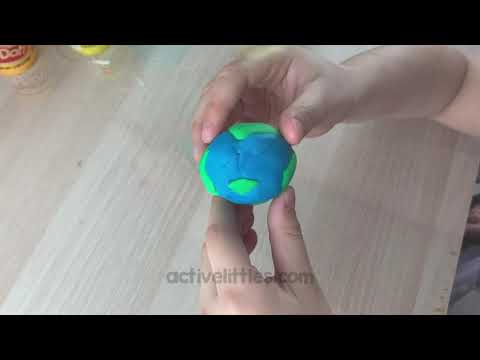
Layers of Earth Model: Planetary Structure Science with Play Dough
Teaches Earth's internal structure and composition. Makes abstract concept tangible.
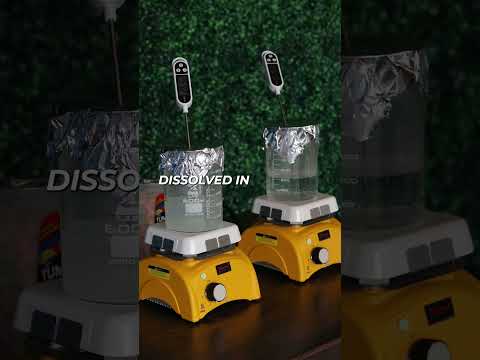
Greenhouse Effect Model: Climate Change Science Experiment
Demonstrates greenhouse gas effect on temperature. Introduces climate change mechanisms.
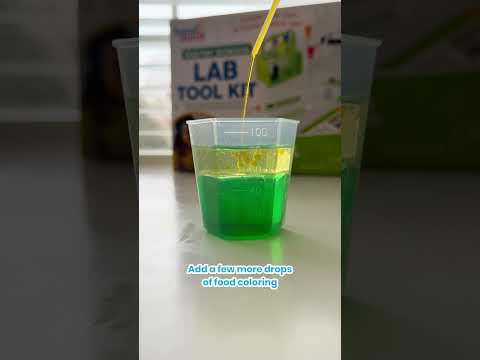
Weather Fronts: Air Mass Interaction and Storm Formation
Visualizes weather front formation. Shows why fronts bring precipitation and storms.
Mineral Identification Lab: Mohs Hardness and Physical Properties
Teaches systematic mineral identification using physical properties. Foundation of mineralogy and geology.
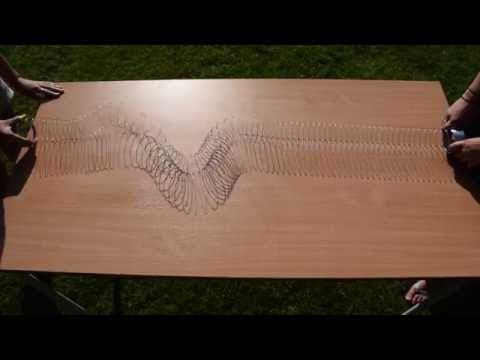
Seismic Wave Analysis: P-Waves and S-Waves Using Slinky Model
Advanced seismology: wave types and Earth structure investigation. Shows how we know Earth's interior.
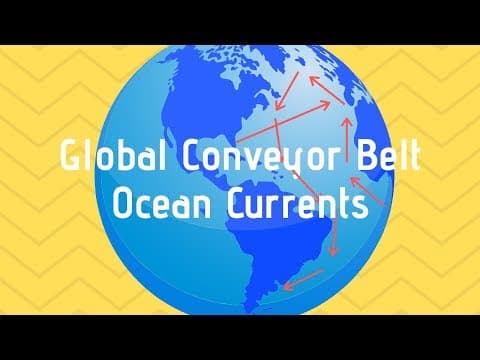
Ocean Currents: Thermohaline Circulation and Climate Regulation
Demonstrates ocean circulation drivers. Shows oceans' critical role in global climate regulation.
About Earth Science for Young Learners
Earth Science is a fascinating field of science that helps children understand the world around them. Our earth science experiments are designed to be safe, educational, and fun for kids of all ages. Each experiment includes step-by-step instructions, video demonstrations, and explanations of the science behind it.